Elevating Brand Identity with the Versatile Charm of Vanilla Cake Font
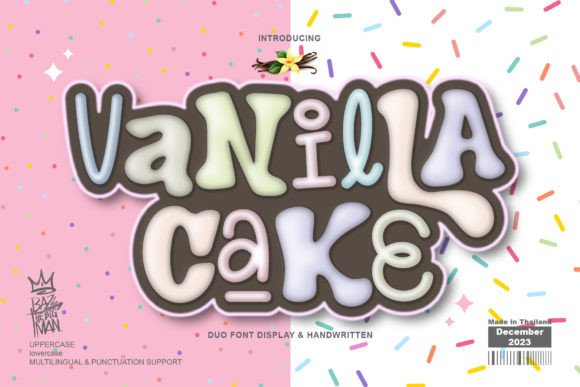
In the rapidly evolving landscape of digital design and brand communication, the choice of typography often dictates the emotional resonance of a message. While sans-serif fonts dominate the tech sector for their neutrality and legibility, there is a growing counter-movement toward typefaces that inject personality, warmth, and human touch into visual narratives. At the forefront of this shift is Vanilla Cake, a duo handwritten and display font that feels equally charming and delicate. This typeface has captured the attention of professionals, creators, and entrepreneurs who are seeking to differentiate their brands in an increasingly saturated market.
The rise of Vanilla Cake is not merely a matter of aesthetic preference; it reflects broader industry trends where authenticity and approachability have become currency. As consumers become more adept at filtering out corporate noise, they gravitate toward brands that feel personal and relatable. A font like Vanilla Cake bridges the gap between professional polish and handmade intimacy, making it an essential tool for modern marketers and freelancers looking to craft compelling visual stories.
The Anatomy of a Modern Handwritten Duo
To understand why Vanilla Cake has become a staple in creative workflows, one must first examine its structural versatility. Unlike many handwritten fonts that rely on a single style, Vanilla Cake operates as a duo system. This typically includes a primary script that mimics natural handwriting with fluid strokes and variable thickness, paired with a complementary display or secondary style that offers stability and contrast. This duality allows designers to create hierarchical compositions without sacrificing the cohesive "hand-crafted" feel.
The charm of Vanilla Cake lies in its delicate balance. It avoids the overly messy or illegible traits sometimes found in casual scripts, opting instead for a refined elegance that remains readable across various mediums. Whether used for a headline on a landing page or the body text of an invitation, the font maintains its character. For entrepreneurs building a brand from the ground up, this means having a typographic voice that can scale from a business card to a billboard while retaining its core identity.
Aligning with the Authenticity Economy
The surge in popularity of Vanilla Cake correlates directly with the "authenticity economy." In recent years, there has been a significant shift in consumer expectations. Audiences are no longer impressed by slick, over-produced imagery that feels detached from reality. Instead, they value transparency, humanity, and the imperfections that suggest a real person is behind the product. Handwritten typography serves as a visual shorthand for these values.
When a marketer chooses Vanilla Cake for a social media campaign, they are subtly signaling that the brand is accessible and friendly. This is particularly relevant in industries such as wellness, artisanal food, boutique fashion, and creative education. These sectors thrive on personal connection, and a delicate script font helps humanize the digital interface. It transforms a static image into something that feels like a note passed between friends, fostering a deeper emotional connection with the audience.
Furthermore, the technology sector, often criticized for being cold or sterile, is beginning to embrace softer typographic choices for specific campaigns. Startups aiming to disrupt traditional industries often use fonts like Vanilla Cake to soften their image, suggesting innovation without intimidation. This strategic use of typography demonstrates an understanding of psychological branding, where the font does the heavy lifting of setting the tone before the user even reads the copy.
Practical Applications Across Creative Workflows
The true test of any typeface is its utility in real-world scenarios. Vanilla Cake excels here due to its incredible versatility. Designers and content creators can deploy it across a wide array of projects, ensuring consistent branding while adapting to different formats. Below are several key areas where this font shines:
- Social Media Graphics: In the fast-paced environment of Instagram and Pinterest, stopping the scroll is paramount. Posts featuring Vanilla Cake stand out against the grid of standard sans-serifs. It is ideal for quote cards, announcement stories, and promotional overlays where a personal touch increases engagement rates.
- Stationery and Print Art: For wedding planners, event coordinators, and stationers, Vanilla Cake offers a premium look that rivals custom calligraphy. It creates gorgeous posters, beautiful stationary art, and elegant invitations that feel bespoke rather than mass-produced.
- Packaging Design: Small batch producers and artisanal brands utilize this font on labels to emphasize the handmade nature of their products. The delicate strokes suggest care and attention to detail, justifying premium pricing strategies.
- Digital Headers and Logos: Freelancers and consultants often use Vanilla Cake for their personal logos. It conveys creativity and approachability, essential traits for service-based businesses relying on client relationships.
Beyond these specific examples, the workflow benefits are substantial. Because Vanilla Cake is designed as a duo, creators do not need to spend hours pairing different fonts to achieve contrast. The inherent compatibility between the styles speeds up the design process, allowing professionals to focus on layout and messaging rather than typographic troubleshooting. This efficiency is crucial in agency settings where turnaround times are tight.
Navigating the Shift in Consumer Preferences
The relevance of Vanilla Cake also stems from changing consumer preferences regarding digital consumption. As users spend more time on mobile devices, the demand for typography that is both distinctive and legible on small screens has increased. While some elaborate scripts fail on mobile, the clean lines and open counters of Vanilla Cake ensure readability even at smaller sizes. This adaptability makes it a safe yet stylish choice for responsive web design and mobile-first marketing campaigns.
Moreover, the lifestyle trend of "slow living" and mindfulness has influenced design aesthetics. There is a move away from aggressive, high-contrast visuals toward softer, more organic forms. Vanilla Cake fits perfectly into this paradigm. Its flowing lines evoke a sense of calm and deliberation, aligning brands with the values of mindfulness and intentional living. For marketers, leveraging this aesthetic allows them to tap into the cultural zeitgeist without appearing opportunistic.
Future-Proofing Your Brand Typography
Investing in a versatile typeface like Vanilla Cake is a strategic decision for long-term brand health. Trends in typography may shift, but the underlying desire for human connection in commerce is enduring. By adopting a font that balances contemporary style with timeless elegance, businesses can future-proof their visual identity. It provides a foundation that can grow with the company, adapting to new markets and mediums without requiring a complete rebrand.
For enthusiasts and hobbyists entering the creative space, mastering the use of such fonts is an valuable skill. Understanding how to pair Vanilla Cake with complementary sans-serifs or serifs to create balanced compositions is a hallmark of professional design. It teaches the importance of hierarchy, whitespace, and emotional tone—skills that are transferable across all areas of visual communication.
In conclusion, Vanilla Cake represents more than just a stylistic choice; it is a strategic asset in the modern creator's toolkit. Its ability to convey charm, delicacy, and professionalism simultaneously makes it uniquely suited for today's diverse media landscape. Whether you are designing eye-catching social media posts, crafting beautiful stationary art, or developing a comprehensive brand identity, falling in love with the versatile style of Vanilla Cake can elevate your work from ordinary to extraordinary. As the market continues to prize authenticity, the demand for typography that feels genuinely human will only grow, securing the place of fonts like this at the heart of effective visual storytelling.
Creators are encouraged to experiment with Vanilla Cake in their next project, observing how its delicate nuances influence viewer perception and engagement. By integrating such thoughtful typographic choices, professionals can ensure their messages are not just seen, but felt.