Elevating Brand Personality: Why the Hoodie Font is Reshaping Modern Digital Design
In the rapidly evolving landscape of digital typography, the line between professional polish and personal connection has become increasingly blurred. Designers, marketers, and entrepreneurs are no longer satisfied with sterile, generic typefaces that blend into the background of the internet. Instead, there is a surging demand for fonts that inject humanity, warmth, and distinct character into visual communication. Enter Hoodie, a sweet and friendly handwritten font that has quickly captured the attention of creatives looking to bridge the gap between sleek modernity and approachable charm. This typeface represents more than just a stylistic choice; it is a response to a broader shift in how brands and individuals seek to connect with their audiences in an era dominated by automation and artificial intelligence.
The Rise of Authentic Handwritten Aesthetics
To understand why Hoodie is gaining such traction, one must first look at the current trajectory of design trends. For years, the industry leaned heavily towards minimalism, characterized by clean lines, sans-serif geometries, and a certain cold efficiency. While these fonts served a purpose in establishing clarity, they often lacked emotional resonance. As consumers become more savvy and skeptical of corporate messaging, there is a palpable hunger for authenticity. People want to feel like they are interacting with a human being, not a algorithm.
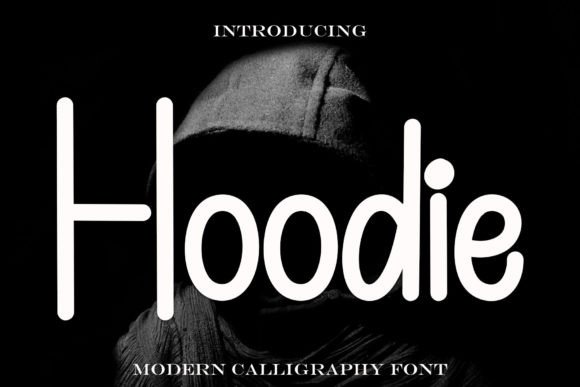
This is where the specific qualities of Hoodie shine. Described as fresh and sleek, it avoids the messy, illegible pitfalls that sometimes plague handwritten fonts. Instead, it offers a refined script that feels spontaneous yet controlled. It captures the essence of a personal note written with care, making it an ideal candidate for industries where trust and relationship-building are paramount. Whether it is a boutique coffee shop updating its menu, a wedding planner designing invitations, or a tech startup softening its brand voice, the application of a font like Hoodie signals a willingness to be vulnerable and genuine.
Technical Precision Meets Creative Freedom
One of the most significant barriers to adopting handwritten fonts in professional workflows has historically been technical limitation. Many script fonts offer a limited set of characters, resulting in repetitive patterns that break the illusion of natural handwriting. If every "e" or "t" looks exactly the same, the eye detects the artifice immediately. Hoodie addresses this challenge head-on through its PUA (Private Use Area) encoded architecture.
For the uninitiated, PUA encoding is a game-changer for typographic versatility. It means that all glyphs, alternate characters, and decorative swashes are easily accessible directly from the standard character map in your operating system or design software. There is no need for complex ligature panels, special keystroke combinations, or proprietary plugins. This technical feature aligns perfectly with the modern creator's need for efficiency. Freelancers and agency teams can access a vast library of variations instantly, allowing them to create unique, non-repetitive wordmarks and headlines without disrupting their workflow. This seamless integration of advanced typographic features ensures that the final output remains organic and dynamic, preserving the "hand-crafted" feel that clients desire.
Strategic Applications Across Industries
The versatility of Hoodie extends far beyond simple aesthetic appeal; it serves strategic functions across various sectors. In the wedding and events industry, the demand for personalized stationery is at an all-time high. Couples are moving away from traditional, rigid formats in favor of designs that reflect their unique personalities. Hoodie's sweet and friendly nature makes it perfect for wedding invitations, save-the-dates, and table cards. It conveys a sense of celebration and intimacy that formal serif fonts simply cannot match.
However, the utility of this font is not limited to social occasions. In the realm of e-commerce and product packaging, branding is everything. Consider the explosion of direct-to-consumer brands in the lifestyle and beauty sectors. These companies often rely on packaging that feels like a gift rather than a commodity. Using a font like Hoodie on a label or a thank-you card included in the shipment transforms a transactional interaction into a relational one. It suggests that there is a person behind the brand who cares about the details. This subtle psychological cue can significantly enhance customer loyalty and perceived value.
Furthermore, in the digital marketing space, social media graphics require immediate engagement. Scroll-stopping content often relies on typography that feels native to the platform—casual, quick, and human. Hoodie fits this requirement effortlessly. When used in Instagram stories, Pinterest pins, or YouTube thumbnails, it cuts through the noise of polished corporate advertising, offering a moment of relatability that encourages users to pause and engage.
Adapting to Changing Workflow Expectations
The modern creative workflow is defined by speed and adaptability. Designers are often tasked with producing high volumes of content across multiple channels under tight deadlines. The expectation is no longer just to create something beautiful, but to create something beautiful quickly. Fonts that require extensive tweaking or manual adjustment to look natural are becoming less viable in this high-velocity environment.
This is another area where Hoodie demonstrates its relevance. Because the swashes and alternates are PUA encoded, a designer can cycle through different variations of a letter with a single click. This capability allows for rapid prototyping and iteration. A marketer can test five different versions of a headline in the time it used to take to configure one. This efficiency does not come at the cost of quality; rather, it empowers creators to explore more creative avenues without being bogged down by technical constraints. It reflects a larger trend in the industry where tools are expected to be intuitive and empowering, removing friction between the idea and the execution.
The Future of Human-Centric Typography
As we look toward the future of design, the trajectory points clearly toward a synthesis of technology and humanity. While AI and automated design tools will continue to advance, the value of the "human touch" will only appreciate. In a world where content can be generated in seconds, the elements that signal human effort, imperfection, and warmth will become premium assets. Fonts like Hoodie are at the forefront of this movement.
They represent a rejection of the homogenized web. They offer a way for entrepreneurs and creators to stamp their individuality onto their projects. Whether it is a logo for a new consultancy, a header for a personal blog, or a quote graphic for a motivational speaker, the choice of typeface sets the tone for the entire message. Hoodie says, "We are approachable. We are creative. We are real."
Moreover, the accessibility of such fonts democratizes good design. Small business owners who may not have the budget for a custom typeface commission can still achieve a high-end, bespoke look by utilizing well-crafted resources like Hoodie. This levels the playing field, allowing smaller entities to compete visually with larger corporations by leveraging personality over budget.
Conclusion: More Than Just a Font
Ultimately, the popularity of Hoodie is a symptom of a deeper cultural shift. It is a reflection of our collective desire for connection in an increasingly digital existence. It proves that even in the realm of pixels and vectors, there is room for the soulful irregularity of the handwritten word. For professionals, creators, and enthusiasts alike, incorporating such a tool into their arsenal is not merely a stylistic decision; it is a strategic move toward building more meaningful, engaging, and memorable brand experiences.
As you consider your next project, whether it be a wedding invitation suite or a comprehensive rebranding campaign, ask yourself what emotion you wish to evoke. If the goal is to invite, to warm, and to connect, then a fresh, sleek, and friendly typeface like Hoodie offers the perfect vehicle for your message. It stands as a testament to the enduring power of handwriting in the digital age, reminding us that behind every great design, there should always be a human heartbeat.