Unlocking Creative Potential with Maori Mandala
In the vast landscape of digital typography, finding a typeface that truly resonates with a specific cultural aesthetic while maintaining modern functionality can be a challenge. Designers, business owners, and content creators are constantly on the lookout for tools that not only communicate a message but also evoke a feeling. This is where Maori Mandala enters the conversation. It is not merely a collection of letters; it is an attractive and unique display font that serves as a true standout in any design portfolio. With a distinctive design that sets it apart from the crowd, this typeface offers a bridge between traditional artistic motifs and contemporary graphic needs.
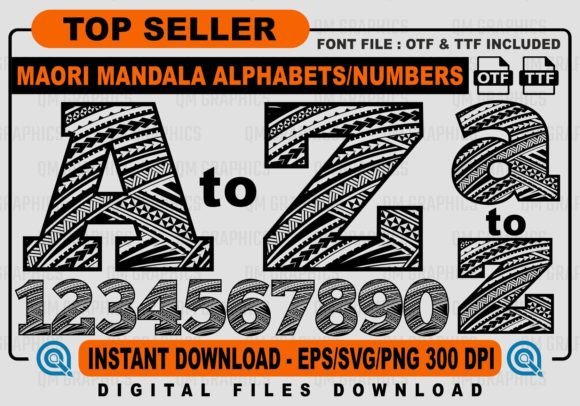
Each letter in Maori Mandala is carefully crafted to showcase intricate details and bold, eye-catching shapes. Unlike standard sans-serif or serif fonts that prioritize invisibility and readability above all else, this font demands attention. It is perfect for adding a touch of personality and flair to your designs, ensuring that the final output is sure to impress viewers. However, understanding how to wield such a powerful tool requires more than just installation; it requires an appreciation of its characteristics and a strategic approach to its application.
The Artistic DNA of the Typeface
To fully appreciate the value of Maori Mandala, one must look closely at its construction. The font draws inspiration from the rich visual heritage of Māori art, specifically the concept of the mandala—a geometric configuration of symbols often representing the universe—and the fluid, organic lines found in traditional carving and tattooing (Tā moko). The result is a glyph set that feels both ancient and futuristic.
The bold shapes provide a strong structural foundation, making the text legible even at larger sizes. Meanwhile, the intricate details within each character add a layer of sophistication. These details might include spirals, curves, or textured edges that mimic the hand-carved look of wood or bone. This duality allows the font to function effectively as a headline grabber while still retaining enough artistic merit to serve as a focal point in minimalist designs.
Key Characteristics
- Bold Geometry: The thick strokes ensure high visibility, making it ideal for headlines and logos.
- Cultural Motifs: Subtle incorporations of indigenous patterns give the font a unique storytelling capability.
- Display Optimization: Designed primarily for larger sizes, where the intricate details can be fully appreciated without losing clarity.
- Distinctive Personality: The font carries a strong voice, suitable for brands that want to appear authentic, grounded, and creative.
Practical Applications Across Industries
The versatility of Maori Mandala extends far beyond simple decoration. For professionals seeking to infuse their projects with a sense of place or heritage, this font offers a compelling solution. Its application varies significantly depending on the industry, yet the core benefit remains the same: immediate visual impact.
In the realm of branding and identity, business owners in the tourism, hospitality, and artisanal sectors can leverage this typeface to create memorable logos. Imagine a boutique hotel in New Zealand or a coffee shop specializing in Pacific-inspired blends; using Maori Mandala on signage and packaging instantly communicates a connection to the land and culture. It tells a story before the customer even reads the name of the business.
For event planners and creators, the font is invaluable for invitations, posters, and merchandise. Whether it is a cultural festival, a music concert with an earthy vibe, or a community gathering, the typography sets the tone. The bold, eye-catching shapes work exceptionally well on t-shirts, tote bags, and stickers, turning simple items into statement pieces.
Real-World Scenarios
- Packaging Design: A local honey producer uses the font for their label to emphasize the natural, raw quality of their product, distinguishing it from mass-produced competitors.
- Digital Media: A travel blogger utilizes Maori Mandala for video thumbnails and blog headers to create a cohesive visual theme that reflects their journey through Oceania.
- Editorial Layouts: Magazine editors employ the font for drop caps or section dividers in articles discussing history, anthropology, or art, adding a visual texture that complements the written word.
Evaluating Suitability for Your Project
While Maori Mandala is undeniably impressive, it is essential to approach its usage with discernment. Not every project benefits from a highly decorative display font. The primary consideration is readability. Because each letter is crafted with intricate details, the font is not suitable for body text or long paragraphs. At small sizes, the fine lines may blur, causing legibility issues, especially on low-resolution screens or printed materials with poor ink absorption.
Creators should ask themselves: Is the goal to inform quickly, or to evoke an emotion? If the answer is the latter, this font is an excellent choice. If the former, it should be used sparingly, perhaps only for titles, while pairing it with a clean, neutral sans-serif font for the main content. This contrast creates a balanced hierarchy, allowing the unique features of Maori Mandala to shine without overwhelming the reader.
Furthermore, cultural sensitivity is paramount. When using a font inspired by specific cultural traditions, it is crucial to ensure that the context of its use respects those origins. It should be employed to celebrate and honor the aesthetic, rather than as a generic exotic element. Understanding the background of the design helps in presenting it authentically.
Strengths and Limitations
Every design tool comes with its own set of strengths and limitations, and being aware of them ensures better outcomes. The greatest strength of Maori Mandala is its ability to create an instant atmosphere. It reduces the need for additional graphical elements because the typography itself acts as art. This can streamline the design process and reduce clutter.
However, the limitation lies in its specificity. The strong personality of the font means it may clash with certain brand identities that require a corporate, sterile, or ultra-modern tech look. It is less effective in environments where neutrality is key. Additionally, because it is a display font, it lacks the extensive character sets (such as multiple weights or italics) often found in comprehensive type families. Designers must work within these constraints, focusing on size, spacing, and color to create variation.
Tips for Maximizing Impact
- Pair Wisely: Combine Maori Mandala with simple, geometric sans-serifs to let the details breathe.
- Use White Space: Give the intricate letters room to stand out by avoiding crowded layouts.
- Color Contrast: Utilize high-contrast color schemes to highlight the bold shapes and ensure the intricate details remain visible.
- Scale Appropriately: Reserve the font for headings, logos, and short phrases where the size allows the craftsmanship to be seen.
Conclusion: A Tool for Storytellers
Ultimately, Maori Mandala is more than just a font; it is a vehicle for storytelling. For general consumers, professionals, and creators alike, it offers a way to inject soul and distinctiveness into digital and print media. Its attractive and unique display capabilities make it a true standout, provided it is used with intention and respect for its design roots.
By understanding its purpose, recognizing its features, and acknowledging its limitations, designers can harness the power of this typeface to create work that is not only visually stunning but also deeply engaging. Whether you are building a brand, designing an event invitation, or crafting a piece of digital art, Maori Mandala provides the bold, eye-catching shapes necessary to leave a lasting impression. In a world saturated with generic typography, choosing a font with such distinctive design is a statement in itself—a declaration that your work values personality, flair, and the beauty of intricate detail.