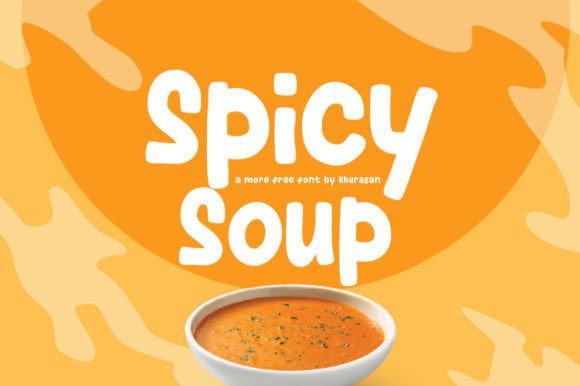
Spicy Soup: A Cute Handwritten Font for Modern Designs
Imagine a typeface that feels like a warm hug but carries the energy of a bustling street food market. That is the essence of Spicy Soup, a modern and cute handwritten display font designed to inject personality into visual projects. Unlike rigid geometric sans-serifs or traditional serifs that demand formality, this font embraces imperfection. Its strokes vary in thickness, mimicking the natural flow of a marker or brush, creating an immediate sense of approachability and fun. Whether you are sketching out ideas for a new brand or finalizing a holiday invitation, the character of your typography sets the tone before a single image is processed.
The appeal of a tool like Spicy Soup lies in its versatility. It is not merely a collection of letters; it is a design element that communicates mood. For some, it represents a break from corporate stiffness. For others, it is the missing link that makes a project feel handmade and authentic. Because it is a display font, it shines brightest when used for headlines, logos, and short bursts of text where impact matters more than density. Understanding how to leverage these characteristics can transform a mediocre layout into something memorable.
Why Different Creators Choose Handwritten Styles
The decision to use a specific font often depends on what the creator is trying to achieve emotionally with their audience. A marketing professional might look at Spicy Soup and see a way to humanize a brand, making a large corporation feel like a local neighbor. In contrast, a hobbyist scrapbooking a family vacation album might choose it because it captures the casual, joyful spirit of the memories being preserved. The same glyph can serve vastly different purposes based on the context in which it is placed.
For entrepreneurs and small business owners, the priority is often differentiation. In a crowded marketplace, standing out is survival. A logo built with a unique handwritten font can signal creativity and bespoke service, distinguishing a boutique bakery or a handmade jewelry shop from competitors using generic system fonts. Here, the value of Spicy Soup is its commercial potential; it helps build a visual identity that feels personal and curated.
Educators and bloggers, however, may prioritize readability and engagement. When creating materials for students or writing long-form content, the goal is to keep the reader interested without overwhelming them. While Spicy Soup is a display font and not intended for body text, using it for section headers or pull quotes can break up monotony. It adds a playful touch to educational worksheets or blog banners, making the content feel less intimidating and more inviting to explore.
Practical Applications Across Various Projects
The utility of Spicy Soup extends across a wide range of mediums. Its "modern and cute" aesthetic makes it particularly effective for projects targeting younger demographics or those aiming for a lifestyle-oriented vibe. Consider the following scenarios where this font becomes a central design asset:
- Posters and Event Flyers: For music festivals, art workshops, or community gatherings, the font's energetic style grabs attention from a distance. It suggests that the event will be lively and informal.
- Logo Design: Brands in the food, fashion, and creative industries often benefit from the organic feel of handwritten typography. It implies craftsmanship and attention to detail.
- Magazines and Book Covers: Editors and publishers can use Spicy Soup for titles on lifestyle magazines or chapter headings in fiction books to establish a specific narrative voice immediately.
- Banners and Social Media Graphics: In the digital realm, where scrolling speeds are fast, a distinctive font stops the eye. It works well for Instagram stories, YouTube thumbnails, or website hero sections.
It is important to note that while Spicy Soup is flexible, it is not a one-size-fits-all solution for every line of text. As a display font, it is optimized for larger sizes. Using it for dense paragraphs or legal disclaimers would reduce legibility and dilute its impact. The smart designer knows to pair it with a clean, neutral sans-serif or a simple serif for body copy, allowing Spicy Soup to sing as the star of the show.
Evaluating Fit for Your Skill Level and Goals
When deciding whether to add Spicy Soup to your creative toolkit, consider your current needs and technical comfort. Beginners often find handwritten fonts forgiving. Because they are inherently irregular, minor alignment issues or spacing quirks are less noticeable than they would be with strict geometric fonts. This allows new designers to create professional-looking compositions without needing advanced kerning skills.
Experienced professionals and freelancers might evaluate the font based on its licensing and file formats. They look for OpenType features, such as alternate characters or ligatures, that allow for further customization. If Spicy Soup offers a robust set of glyphs, a pro can tweak the letterforms to create a truly unique logotype that no other client will have. The long-term usefulness of the font depends on how well it integrates into existing design systems and whether it holds up under various printing conditions.
For consumers and hobbyists, the primary concern is often ease of use and the "wow" factor. Can they install it quickly? Does it work in their favorite word processor or photo editing app? The joy of using a font like Spicy Soup comes from the instant transformation it brings to a DIY project. Whether it is a homemade greeting card or a custom t-shirt design, the font empowers non-designers to produce results that look polished and intentional.
Making the Right Choice for Your Next Project
Ultimately, the value of Spicy Soup is determined by how well it aligns with your message. If your project requires seriousness, authority, or high-tech precision, a sleek sans-serif might be a better fit. However, if your goal is to evoke warmth, creativity, friendliness, or a sense of artisanal quality, this handwritten style is an excellent candidate.
Before committing to a design direction, test the font in your actual environment. Type out your headline, your logo name, or your banner text. Look at it on different screens and, if possible, print a sample. Notice how the curves interact with your color palette and imagery. Does it feel cohesive? Does it enhance the story you are telling?
Creativity thrives when you have the right tools to express your vision. By understanding the nuances of typefaces like Spicy Soup, you gain the ability to communicate more effectively. It is not just about picking pretty letters; it is about choosing a voice for your work. Whether you are building a brand from scratch, designing a classroom resource, or simply adding flair to a personal project, the right font bridges the gap between your idea and your audience's perception. Add it to your collection, experiment with its limits, and watch how it helps your designs stand out in a world full of standard typography.